Embark on a journey to capture your family's unique history
Recording family stories does not have to be a daunting task. In fact, it can be an enriching and enjoyable experience that brings the family closer together. There are countless ways to capture and preserve these narratives, whether through written accounts, audio recordings, or video interviews. Each method has its own charm and advantages.
Written stories can be compiled into a beautiful family memoir, while audio recordings can capture the unique voices and emotions of your loved ones. Video interviews, on the other hand, can bring memories to life with visuals, gestures, and expressions that add depth and context to the stories being told.
The key is to start the conversation and encourage family members to share their memories and experiences.
"Writing a biography is not just about uncovering facts; it's about weaving a narrative that captures the essence of a life." Unknown

Writing a biography - getting started
Your biography can be as simple or detailed as you like. There is no right or wrong way to record this information (though you may want to take care when writing about controversial topics AKA skeletons in the closet).
Encourage your family members to share their stories – it’s a rewarding experience for everyone. They can reflect on their lives and experiences and express themselves in their own words.
Facing a blank page can make starting a biography feel daunting, with the challenge of choosing the right starting point and determining which moments of a life to include.
Instead of writing everything from scratch, consider conducting interviews, particularly if you are writing the biography for an older family member.
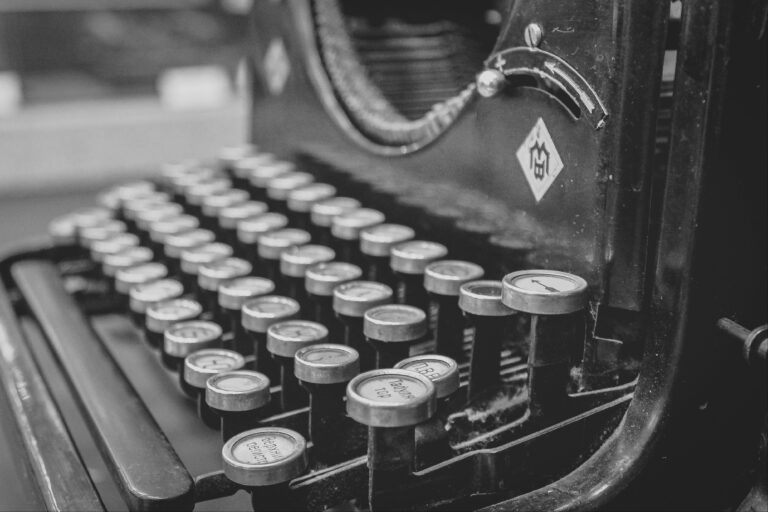
Allow the story to unfold naturally. Use recorded conversations with your subject as the foundation, then transcribe and refine these to do justice to their memories.
If writing the biography from scratch or from a recording feels overwhelming, or if you’re short on time, consider sending us the recording for professional rewriting.
Create a family archive
Gathering photographs, letters, and other memorabilia can significantly enhance the storytelling process. These items serve as powerful prompts for memories, providing tangible connections to the past and sparking detailed recollections that might otherwise remain hidden. By incorporating these treasured artifacts, you can add depth and richness to your family’s history, making the stories more vivid and relatable.
Famography allows you to effortlessly upload photographs, voice recordings, and videos, creating both a visual, and an audible, archive. This multimedia approach brings written stories to life, adding layers of emotion and context that words alone might not convey. Imagine hearing your grandmother’s laughter in a recorded interview or seeing a picture of your parents on their wedding day as you read about their love story — these elements create a truly immersive experience.

Writing your own story
When writing your own biography, try interviewing yourself just as you would with family members. This approach gives you control over your narrative and ensures your biography genuinely reflects your life and experiences. It’s an empowering process that not only helps future generations understand your story but also provides a deeper insight into who you are.
Famography’s diary feature makes it simple to capture your daily thoughts and events. Whether it’s a memorable moment or just your everyday musings, you can easily document your life’s journey.
With the help of Famography’s inbuilt AI or other AI programs like ChatGPT, you can seamlessly integrate these records into your biography. This modern approach to documenting your life turns the task into a manageable and even enjoyable experience.
By taking the time to reflect and document, you’ll create a comprehensive and engaging account of your life that can be cherished for years to come.


Prompts to elicit memories
When you meet up with people socially, there are themes discussed that keeps the conversation flowing. You can use these themes to stir up memories and help develop a timeline when writing their biography.
Here are some common topics that may help dig up forgotten memories:
Personal life: Births, weddings and deaths. Relationships with their partner, children, family, and friends.
Food: Favourite meals and restaurants, cherished recipes, and cooking experiences.
Animals and pets: Pets and memorable encounters with animals.
Money: Financial situations, whether moments of abundance or struggle.
Travel: Holiday experiences and adventures.
Sports: Memorable games and favourite teams.
Vehicles: Cars, motorbikes, boats, and caravans.
Hobbies: Interests and activities they enjoyed in their free time.
Technology: Inventions, innovations, and advancements.
Significant events: Family celebrations, news, politics, and global happenings.
Entertainment: Movies, TV shows, music, books, and celebrity gossip.